

The Clothes You Wear When No One Is Watching
The Clothes You Wear When No One Is Watching
For decades, nightwear has occupied a strange place in a woman’s life. It is the clothing she wears for the longest hours, yet it is designed as though it does not deserve to be seen. The moment the doorbell rings or a neighbour appears, women instinctively change, cover up, or feel suddenly exposed.
This is not because nightwear is inherently wrong. It is because most of it has been designed without considering what it does to a woman’s mind.
Clothes are not neutral. They quietly shape how a person feels about herself. A silhouette can make someone feel held or careless. A fabric can make someone feel calm or restless. A colour can either give confidence or drain it away. Over time, these small emotional signals accumulate.
At YELLOW BLOOM , the idea was simple but radical: what if the clothes a woman wears in her most private hours were designed with the same psychological care as the clothes she wears in public?
If something is truly well designed, it should not be something you rush out of. It should be something you want to remain in — while you read, think, travel, sit by a window, or walk down a hotel corridor on a quiet morning. That, more than any marketing claim, is what real sustainability looks like.
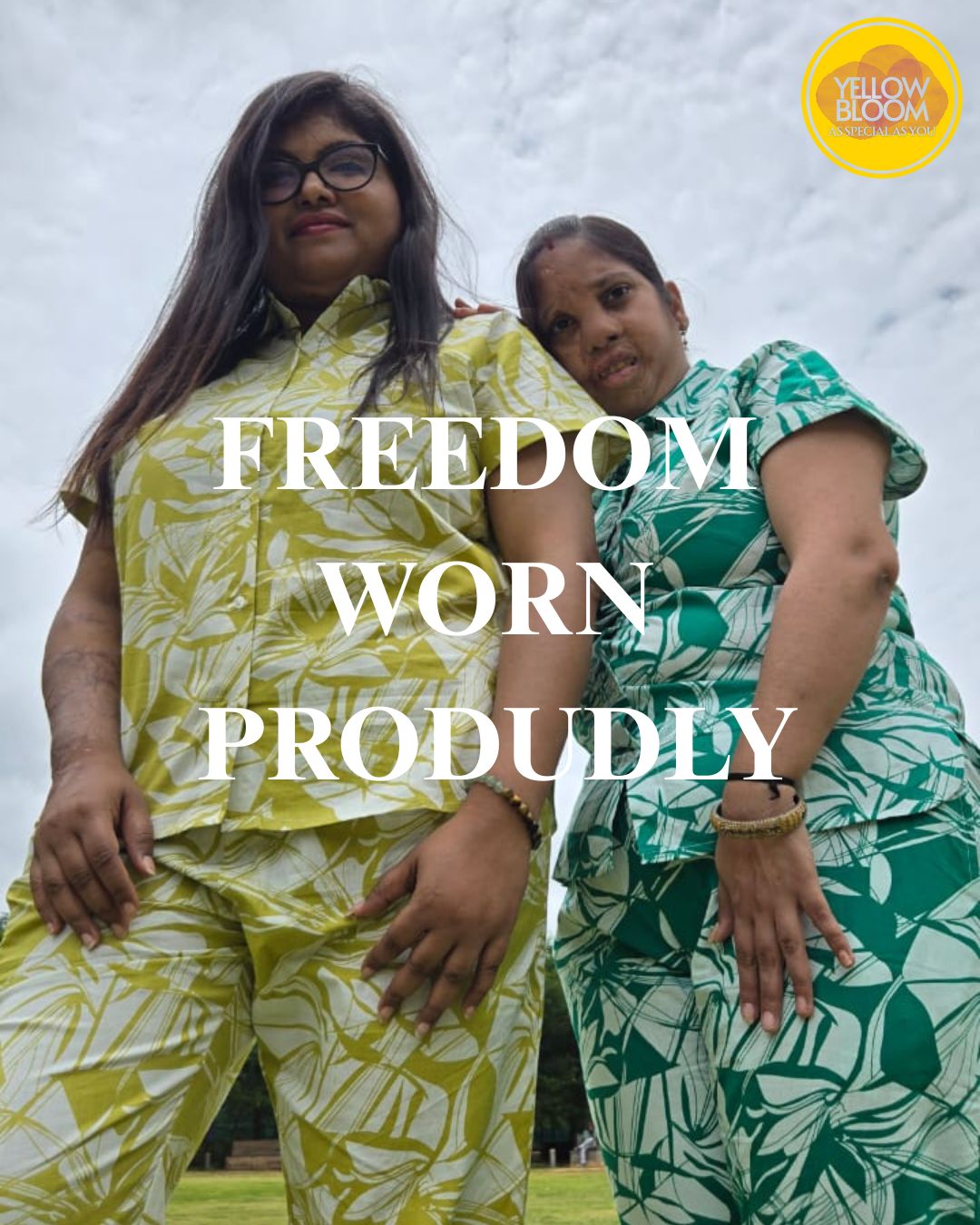
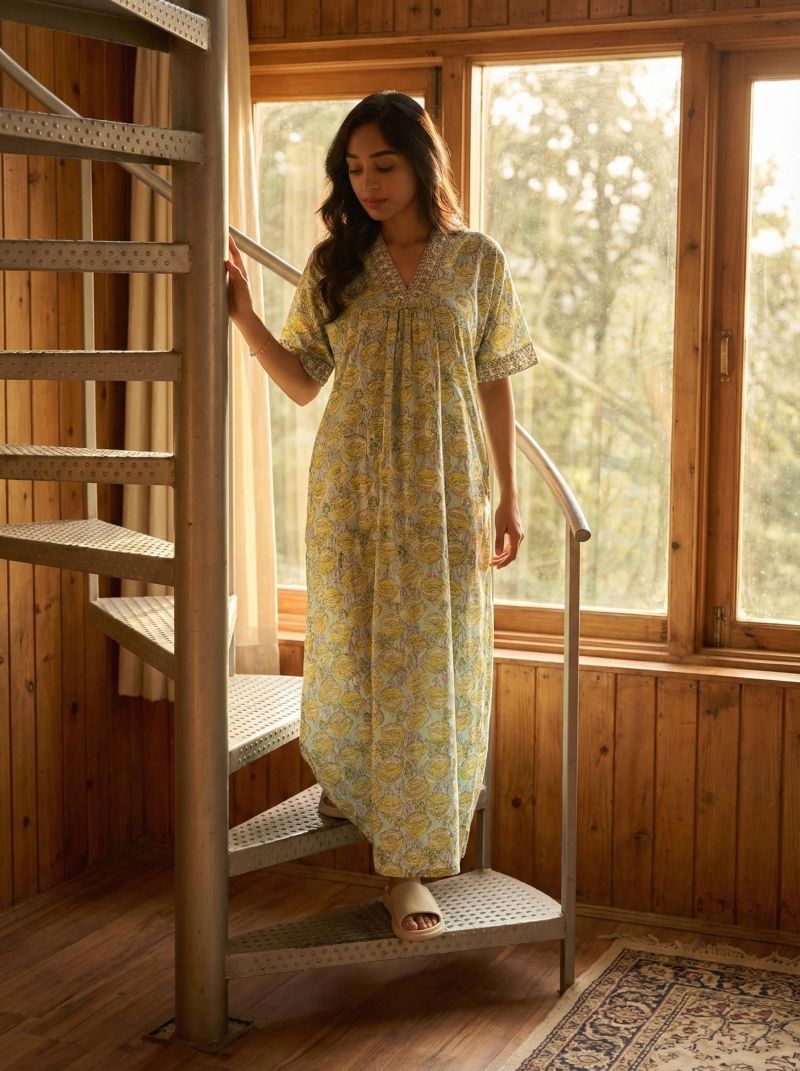
The woman in this image is wearing Yellow Bloom homewear, not hidden in a bedroom but out in the open. The scene is deliberate. These garments are not meant to make a statement. They are meant to make a woman feel composed enough that she does not feel the need to change.
This way of designing does not come from trend forecasts or seasonal palettes. It comes from years of studying how different kinds of clothing make women behave — how some pieces encourage slouching and shrinking, while others quietly create confidence and ease.
Nightwear does not have to signal that the day is over.
It can be the clothing that supports a woman when she finally belongs to herself.
www.YellowBloom.in
For decades, nightwear has occupied a strange place in a woman’s life. It is the clothing she wears for the longest hours, yet it is designed as though it does not deserve to be seen. The moment the doorbell rings or a neighbour appears, women instinctively change, cover up, or feel suddenly exposed.
This is not because nightwear is inherently wrong. It is because most of it has been designed without considering what it does to a woman’s mind.
Clothes are not neutral. They quietly shape how a person feels about herself. A silhouette can make someone feel held or careless. A fabric can make someone feel calm or restless. A colour can either give confidence or drain it away. Over time, these small emotional signals accumulate.
At YELLOW BLOOM , the idea was simple but radical: what if the clothes a woman wears in her most private hours were designed with the same psychological care as the clothes she wears in public?
If something is truly well designed, it should not be something you rush out of. It should be something you want to remain in — while you read, think, travel, sit by a window, or walk down a hotel corridor on a quiet morning. That, more than any marketing claim, is what real sustainability looks like.
The woman in this image is wearing Yellow Bloom homewear, not hidden in a bedroom but out in the open. The scene is deliberate. These garments are not meant to make a statement. They are meant to make a woman feel composed enough that she does not feel the need to change.
This way of designing does not come from trend forecasts or seasonal palettes. It comes from years of studying how different kinds of clothing make women behave — how some pieces encourage slouching and shrinking, while others quietly create confidence and ease.
Nightwear does not have to signal that the day is over.
It can be the clothing that supports a woman when she finally belongs to herself.
www.YellowBloom.in


Leave a comment
This site is protected by hCaptcha and the hCaptcha Privacy Policy and Terms of Service apply.