
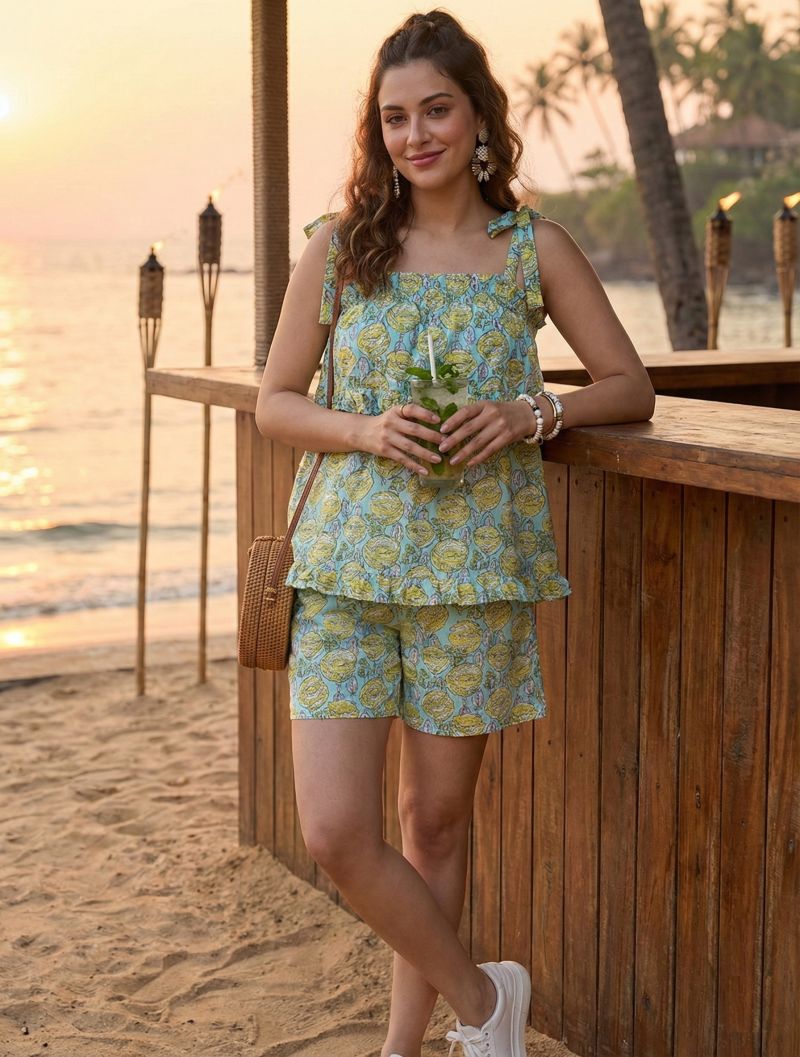
When Did Fashion Become a Free Trial?
When Did Fashion Become a Free Trial?
Over the past few months of building my YELLOW BLOOM, I have started observing a pattern that has made me pause and think more deeply about how we, as consumers, are using return policies in fashion.
In the beginning, when I received returns, I assumed they were genuine. However, slowly I began noticing small but clear signs that some garments were not just tried but actually worn. At times, I saw stains like turmeric on nightwear, which made me realize that these pieces were possibly used for small gatherings or outings before being sent back. Initially, I thought this might be due to affordability issues or occasional misuse by a few individuals.
But one particular incident changed my perspective completely. While dining at a premium restaurant, I happened to overhear a conversation at the next table. A woman was wearing a top with the tag still attached, and when her companion pointed it out, she casually mentioned that she had worn it once and would return it the next day. That moment made me reflect on what I had been experiencing as a brand owner.
Since then, I have started noticing similar patterns more often. It is not an isolated case, and surprisingly, it is not limited to smaller towns. In fact, many such instances seem to come from customers in Tier 1 cities, where affordability is clearly not the concern. This led me to question whether the issue is really about financial constraints or something deeper related to intent and ethics.
There have also been more extreme cases. In one instance, a returned garment had been cut significantly and then sent back. On closer inspection, it was clear that the alteration had been done after purchase and not during production. Incidents like these involve not just product loss, but also time, manual effort, and operational cost that small brands silently bear.
At the same time, I must also acknowledge that on Yellow Bloom website, I have been fortunate to receive orders from customers who truly value the product, and such experiences are rare there. It gives me confidence that there is a growing segment of conscious buyers who respect the effort behind what they purchase. However, on larger platforms, situations like these do arise more frequently, which makes this conversation even more important.
This brings me to a larger question that I believe is worth discussing openly. While return policies are designed to protect customers and offer convenience, there is clearly a difference between a genuine return and a planned return.
Because in the end, fashion is not a free trial, and ethics should not be optional.

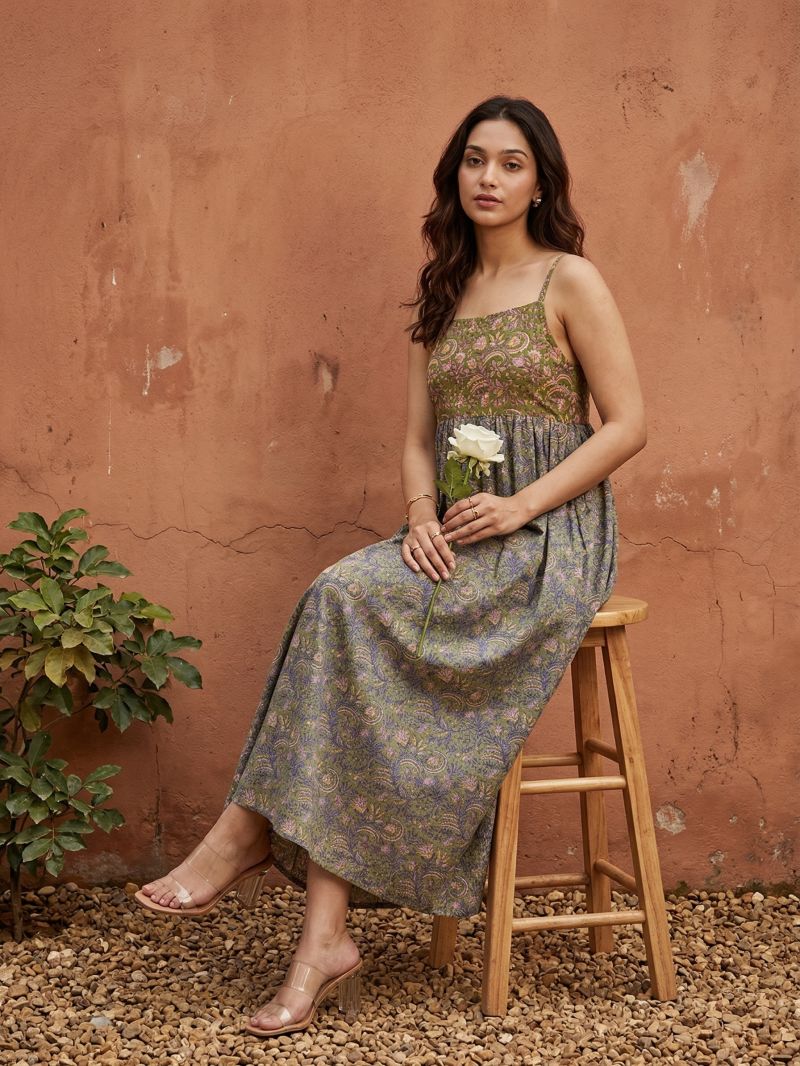


Leave a comment
This site is protected by hCaptcha and the hCaptcha Privacy Policy and Terms of Service apply.