
You Don’t Need to Check the Label Anymore. It’s Not Cotton
You Don’t Need to Check the Label Anymore. It’s Not Cotton
You don’t need to check the label anymore because before you even touch the garment you already know it is not cotton.
Every time I walk into a store, whether it is a large brand in a mall or a small boutique in a local market, I have a habit of checking the fabric before I even look at the design or the price, but over time I have realised that I do not even need to check the label anymore because in most cases the garment itself tells the story. The look, the fall and even the feel from a distance make it very clear that it is not pure cotton, and more often than not it turns out to be synthetic or a blend that is designed to look good on the hanger but not necessarily feel right on the body.
This becomes even more evident when it comes to outfits meant for stepping outside the home, because across categories and across price points most large brands are heavily dependent on polyester and blended fabrics. There is a certain finish and structure that these fabrics offer which makes them easier to design, easier to scale and easier to maintain consistency in production, and that is exactly why they dominate retail shelves today. Cotton, on the other hand, does not behave in a predictable way, it requires more effort in sourcing and finishing, and it does not always deliver that sharp, controlled look that many brands aim for in ready-to-wear fashion.
As someone who has worked closely with fabrics and is now building a brand, I understand that this shift is not random but driven by very practical decisions around cost, control and scalability. However, as a consumer this creates a clear gap, because what is easily available is not always what feels comfortable or breathable in everyday life, especially in our climate. Over time, people have started accepting this as the norm, and expectations have quietly adjusted to what the market is offering instead of what the product should ideally deliver.
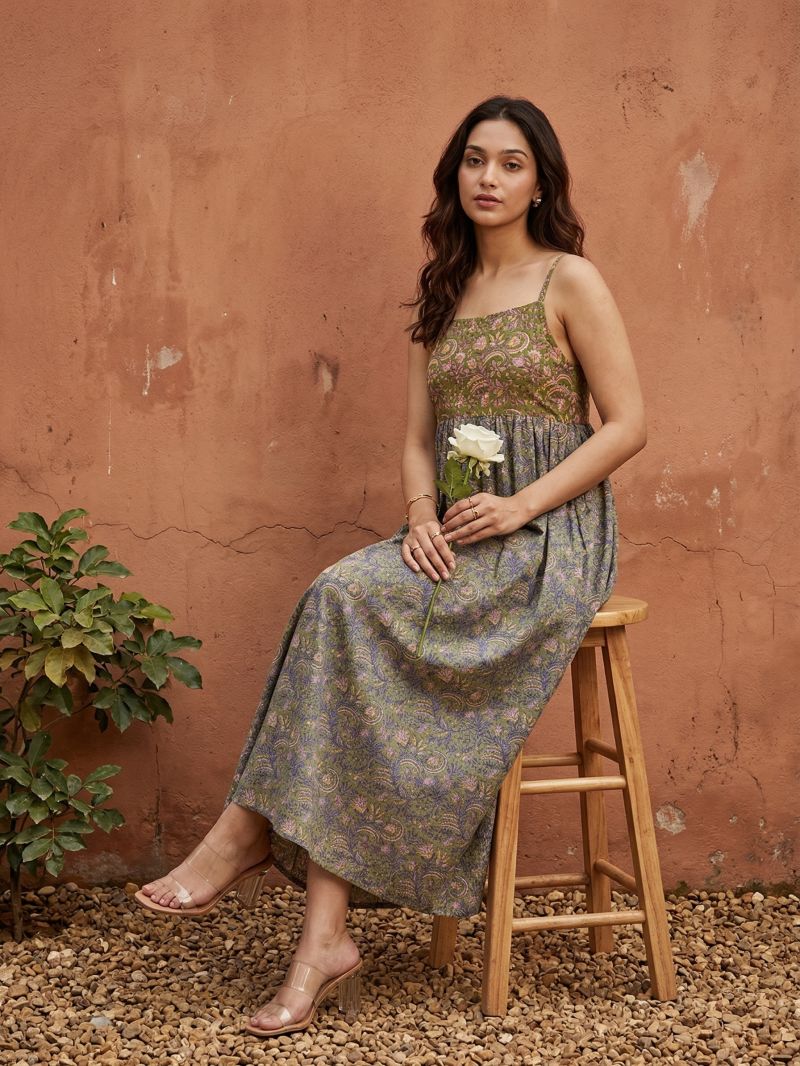
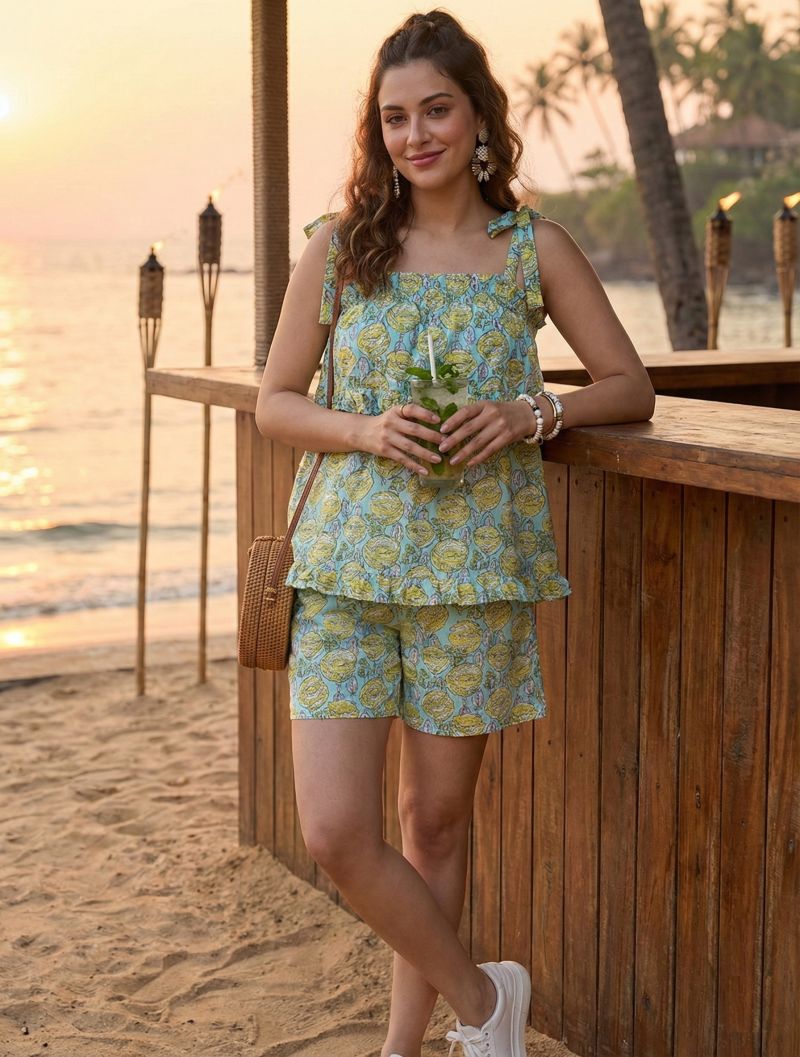
This is exactly the gap I kept coming back to while shaping YELLOW BLOOM , because the more I saw this pattern, the more I realised that choosing cotton is not the easier path for any brand but a very deliberate one. It requires patience, deeper involvement in the process and a clear decision to prioritise comfort and authenticity over convenience. It also means that customers need to be re-educated, because many of them no longer expect to find pure cotton easily and often question it when they do.
Even today, when a customer asks me if the product is truly 100% cotton, I understand that question completely because I have experienced the same doubt while shopping myself. And every time I answer it, I am reminded that what has become rare in the market is not demand for comfort, but the effort required to deliver it consistently.



Leave a comment
This site is protected by hCaptcha and the hCaptcha Privacy Policy and Terms of Service apply.